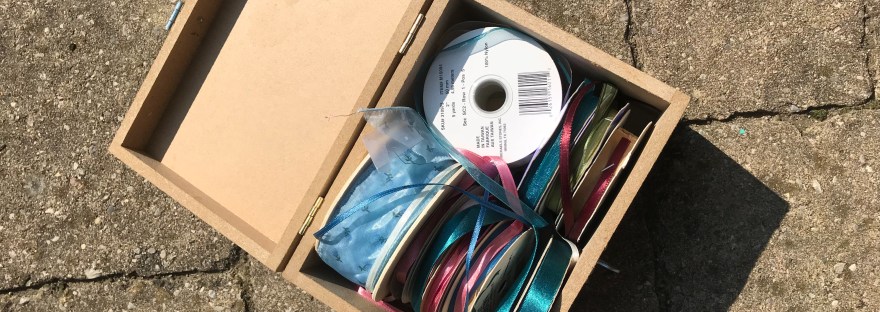
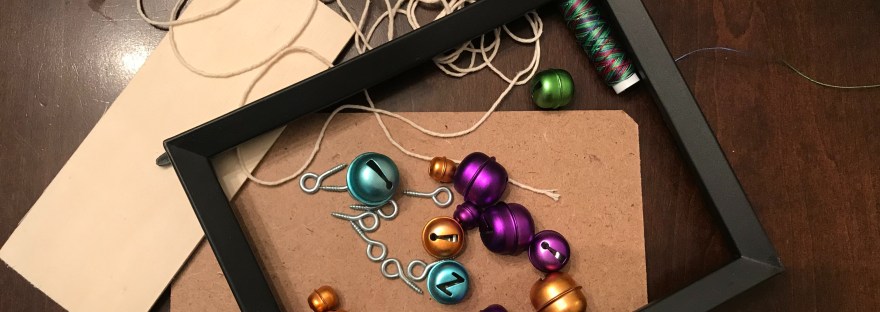
As small exciting packages start to trickle into our mailbox (which my ten-year-old tears into with enthusiasm before I even arrive home from work!), I’ve been trying to organize all my thoughts and ideas for how our twisted traps might be arranged into a concise set of interesting escape room challenges. I’ve also found two do-it-yourself crafting projects I’m eager to try with the girls that will provide us with a couple key props for a two of the puzzles.
I know there are a lot of crafty, creative people out there who might not be interested in having us organize an escape room for you, but might still be up for the challenge of putting one together yourself. So… in case you are wondering how you might create an escape room for fun, and if you like the structure and beauty of a nice list – here is my handy checklist for creating a fun escape room for your friends or your children:
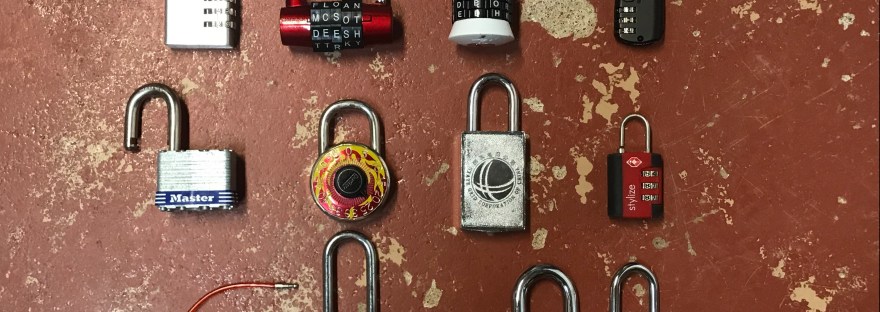
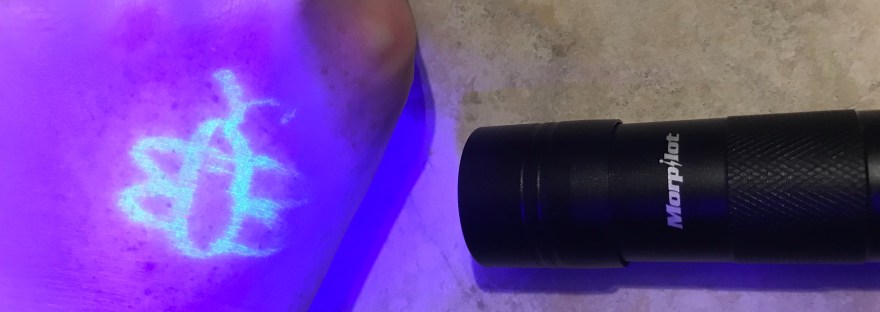
Step 1: Think of as many interesting ways you can hide information as you can and write those down. At this point there is no judgement – don’t worry about viability – just make the list as long and interesting as you can. Also gather up any things you have available and already lying around the house that could work. This could include existing bike and gym locks. Small luggage locks are great too as you can use the luggage in gameplay, or use the tiny locks on backpacks (for example).
Step 2: Sit on the list for a couple days to let your subconscious ponder it. Then, with a clear head, review the list and pick out the ideas that you think are both viable (meaning within your technical and financial capacity) and engaging for your target audience. Note that fun escape rooms for your kids can be created with just a couple locks and some interesting math puzzles and/or riddles, so you don’t really have to get too hung up on having a lot of cool gadgets unless that’s something you really want. Make sure you have enough ideas that the gameplay will be long enough. As a general rule, one or two “bigger” puzzles that require team collaboration, combined with several more smaller puzzles, is a good goal. Keep in mind the age and size of the group of players you plan to have for the real game and make sure they are appropriate for the group of players you will have. And since this is in your house, you may not want to actually lock people in a room in your home. You may instead want to consider having them locate a specific object (for example).
Step 3: Identify the components you will need to achieve the ideas you selected from step 2 and find a way to purchase, make, or otherwise gather those items! If you are unsure about whether a particular item will work, or if the item requires substantial money or time, (particularly if this is the FIRST time you are making an escape room – which I have to assume since you are reading my blog) I recommend using a simple substitute first for that component first as you work through the game flow (see the next step) and see how things play out in the testing phase. Otherwise, you risk having invested a lot of time/cash into something that might not work out.
Step 4: In tandem with step 3 (this part will be a bit iterative), begin to think about how those ideas could be laid out in some kind of rhythm or flow, and what a potential backstory might be, as most good escape rooms have a theme or plot that evolves as players progress through the game. This part is often the hardest for most people, as it is strangely much harder to think up a sequence of problems that is logical but also interesting than it is to find a way to solve them. You may find it helpful to actually write out what will happen as that forces you to explain it in a logical way.
Keep iterating between steps 3 and 4 until you have what you think might be a workable game. It’s ok if some of the game steps are a little rough around the edges here because you don’t want to aim for perfection yet – you just want to get to the point where you can test whether the concepts are viable. Which brings us to the next step…
Step 5: Test the game! This part is critical. Sometimes things can seem logical and make sense in our head (or laid out with paper and objects), but when actually in play with other (aka real) players, they don’t in fact make sense or are either too easy or too obscure. Watch the players who do the testing closely. Aim to be in the room with them but don’t help (unless something really isn’t making sense). Instead take careful notes of what worked or didn’t work, and make adjustments as needed and test again. Keep in mind that this can be tricky because it’s hard sometimes to test again with the same group of people (since they will know much more the second time around). You may need a couple different groups to test with.
Step 6: Once the testing is done and you are satisfied that things are working (close to) the way you want them to, you are ready for your real players! Make sure to take lots of pictures/videos as it’s fun to capture people in the heat of the moment working through the puzzles.


 Twisted Traps